

19 May 2026
How to improve BER rating: 10 proven ways to boost your home’s energy efficiency
7 minutes
-
Start with your BER Advisory Report to understand your home’s current performance, the upgrades that will work best, and what it may cost after grants.
-
Insulation is the first and most effective step to improve your BER rating, reducing heat loss and improving comfort while allowing other upgrades like heating and solar to perform better.
-
Heating upgrades matter most once your home is insulated, with modern boilers or heat pumps offering major efficiency and BER improvements.
-
Solar PV, draught‑proofing and smart heating controls provide strong boosts at relatively low disruption, helping lift your rating and cut energy bills.
-
SEAI grants can significantly reduce costs, whether you’re tackling a single upgrade or aiming for a full retrofit to a B2 rating or higher.
As the cost of electricity, oil and gas continues to rise, households across Ireland are likely to see their annual energy bills increase. Taking steps now to improve the energy efficiency of your home can help soften the impact of winter heating bills later in the year.
Improving your home's Building Energy Rating (BER) will increase comfort, property value, and enhance energy efficiency. It will also help reduce your energy bills and carbon emissions. Here are 10 top tips to help you improve your BER rating.
What's covered:
- Start with your BER advisory report
- Improve your home’s insulation
- Upgrade your boiler
- Replace old windows
- Tackle draught‑proofing & ventilation
- Install solar panels
- Switch to energy‑efficient lighting
- Check and adjust your thermostat
- Set heating controls and timers efficiently
- Insulate your hot water cylinder with a lagging jacket
- Get a grant from the SEAI
Get in touch with us! A member of the Howden team would love to help you find a policy that's right for you!
Start with your BER advisory report
If you’re not sure which improvements are right for your home, the best place to start is with your Building Energy Rating (BER) Advisory Report, which is issued alongside your BER certificate. This will give you:
- Colour‑coded indicators showing your home’s current performance and its potential after recommended improvements are made.
- A recommended package of upgrades aimed at achieving a BER of B2 or higher
- A ‘fabric‑first’ approach to improving a home’s BER, where appropriate.
- Indicative costs for each upgrade, along with information on available grants
- Clear guidance on which upgrades offer the best benefit for your home, including expected timelines for major renovation works.
- Guidance on simple steps homeowners can take to improve their home’s energy efficiency
Also read: BER rating: a comprehensive 2026 guide
10 practical ways to improve your BER rating
1. Improve your home’s insulation
The first and most effective step in improving your home's energy rating is upgrading your insulation. This is referred to as a fabric first approach, meaning the focus is on reducing heat loss before changing how the home is heated.
Homes lose on average up to 30% of their heat through walls alone, with a further 30% escaping through poorly insulated attics*. New insulation not only reduces heat loss but also lowers overall energy consumption, helping your home stay warmer for longer. Any other energy improvements you make, from heating upgrades to solar panels, will also perform better once good insulation is in place.
Wall insulation
Walls are one of the biggest contributors to heat loss, especially in older homes. Improving wall insulation can significantly increase your BER rating and, in many cases, move a home up a full rating band.
Common approaches include:
- Cavity wall insulation - fills the gap between the inner and outer walls of a property. The most cost-effective option
- Internal wall insulation - installed on the inside face of external walls using insulated boards to improve thermal performance where cavity insulation isn’t possible.
- External wall insulation - involves fixing insulation to the outside of a home and covering it with a protective render. The most effective option for solid‑wall homes, as it reduces heat loss across the entire building, but also the most expensive
Attic insulation
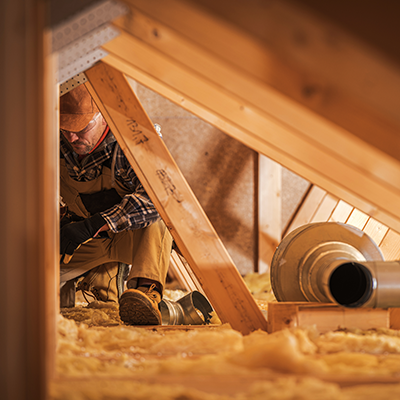
Around 20–30% of a home’s heat is typically lost through its roof*. Installing 300–400mm of mineral wool in your attic is an affordable option that delivers some of the strongest energy‑efficiency gains.
2. Upgrade your boiler
Replacing your boiler can feel like a big investment, but in a newly insulated home it’s one of the upgrades that can make a real difference to both your BER rating and your energy bills.
- Older heating systems, such as diesel or LPG boilers and electric radiators, are now considered inefficient by modern standards.
- If your boiler is more than 12 years old, you should definitely consider swapping it for a modern energy-efficient boiler.
- For the biggest improvement, a heat pump is even more effective - heat pumps operate at around 300–400% efficiency compared to roughly 90-95% for condensing boilers, while also producing lower carbon emissions, making them one of the strongest upgrades from a BER perspective.
Tip: Having your boiler serviced regularly can further reduce energy bills, keep it running efficiently and avoid winter breakdowns. Aim to get your boiler serviced at least once a year if you can.
3. Replace old windows
If you still have single‑glazed windows, upgrading to double-glazed windows or even triple-glazed can significantly reduce draughts and heat escaping.
Older or poorly sealed windows, particularly single-glazed windows, are one of the biggest culprits for letting warm air escape. Homes can lose around 10% of heat through windows and doors alone*, making them an important area to address.
Tip: Close your curtains or shutters during winter, especially at night or when you’re out, to help trap heat indoors and reduce warm air escaping through windows.
4. Tackle draught-proofing & ventilation
Draught‑proofing is another effective, low‑cost way to improve your home's BER rating. Consider sealing gaps around:
- Windows and doors
- Attic hatches
- Unused fireplaces
This will significantly improve airtightness and comfort, cut heat loss, reduce outside noise, and limit dust entering the home.
Good ventilation is important too, as poor airflow can lead to condensation and mould. An adequate flow of fresh air is essential for rooms containing combustion appliances such as gas or oil systems. Controlled ventilation (such as demand-controlled ventilation or a heat recovery system) combined with draught-proofing measures can enhance both energy performance and indoor air quality.
Older vents can also be upgraded to improve airflow across the home.
5. Install solar panels
Installing solar PV panels is one of the most proven ways to increase your home's BER score. With minimal disruption, solar can lift a home from a C rating into the B range, while also lowering electricity bills. It’s worth noting, however, that solar alone doesn’t reduce heat demand, so the best results come from combining solar with insulation and heating upgrades.
The SEAI offers several grants to help homeowners install renewable energy solutions.
6. Switch to energy‑efficient lighting
Switching to energy‑efficient LED lighting is a quick and low-cost way to improve the energy efficiency of your home while saving on electricity bills. Replacing older, inefficient light bulbs with energy-saving LED alternatives reduces electricity use, lowers energy bills, and improves overall efficiency without any major disruption.
While this won’t significantly change your BER on its own, it still counts towards the overall score and costs very little to do. Just make sure you choose the right light bulb size and wattage!
7. Check and adjust your thermostat
Setting your hot water temperature too high leads to unnecessary energy usage and higher bills, so your hot water thermostat should be set to the recommended 65°C. Installing a smart thermostat can further improve efficiency and contribute to a better BER score.
If your hot water is heated by the central‑heating boiler rather than an immersion, consider fitting a cylinder thermostat to avoid unnecessary energy use.
8. Set heating controls and timers efficiently
Heating control timers help reduce wasted energy by making sure your home is only heated when it needs to be. Running the heating when no one is home unnecessarily increases energy use and can negatively affect your BER rating. Setting timers so your heating comes on when you’re home, and turns off when you’re out or asleep, is a more efficient way to manage energy.
The same applies to hot water. Using timers on your boiler or immersion ensures you have hot water when you need it without running the system all day, improving efficiency while keeping running costs down.
9. Insulate your hot water cylinder with a lagging jacket
If your hot water cylinder isn’t already well insulated, fitting a lagging jacket is a simple and effective way to reduce heat loss. By keeping water hotter for longer, a lagging jacket cuts down the need to reheat your tank, improving efficiency and helping to support a better BER rating. Newer replacement cylinders are usually factory‑insulated, but older systems may benefit from this upgrade.
10. Get a grant from the SEAI
Improving your home’s energy efficiency is a smart long-term investment, but it can be an expensive ordeal. Fortunately, the Sustainable Energy Authority of Ireland (SEAI) offers a range of grants to help to help cover the costs.
Whether you're tackling a single upgrade or a full home retrofit, there are three grant pathways available in 2026:
- Individual Energy Upgrade Grants: Lets you to apply for separate grants for various energy efficiency upgrades including attic and cavity wall insulation, window and door upgrades, heat pump systems, and renewable energy upgrades like solar PV panels.
- One Stop Shop Service: Complete home energy upgrade where a registered provider manages the entire project to bring your home to a B2 rating or better, with grant values of up to 50% deducted upfront from your costs.
- Fully Funded Upgrades: Available via the Warmer Homes Scheme, this provides 100% free energy improvements (such as insulation and draught-proofing) for homeowners receiving specific social welfare payments.
Find out more information about these grants and eligibility requirements here.
How improving your BER rating can affect home insurance
A higher BER rating doesn’t just improve comfort and energy efficiency; it can also impact how insurers view your home.
Energy‑efficient properties are often seen as lower risk, particularly when improvements involve modern heating systems, updated electrics, and better overall building standards. For example, replacing an older boiler or installing upgraded insulation can reduce the likelihood of heating-related faults or damage, which may positively influence a property’s insurance risk profile.
Some insurers may also offer discounts for homes with a BER rating of B2 or higher, which can lower premiums, although this isn’t guaranteed across all providers.
While a higher BER rating doesn't guarantee cheaper home insurance, improving your BER rating can increase your home’s long-term value, and make it more attractive to insurers and buyers alike.
Sources:
- SEAI - Upgrades to Insulation, Windows and Doors
- SEAI - Improve a BER Rating
- Climate Jargon Buster - BER Rating Ireland 2026
This is a marketing article from Howden Insurance. The information in this guide is accurate at time of publication. This content is provided for general information only and does not constitute financial or insurance advice.
More resources
Latest insurance guides
Whether you're looking for information on car, home, travel, life, or health insurance, we've got you covered with expert insights and easy-to-follow guides. Explore our articles to make informed decisions and safeguard your future with confidence.
-
Is electric car insurance cheaper in Ireland? Your questions answered
-
Are you insured to drive in red weather warnings? Your 2026 guide
-
How does company van insurance work in Ireland? Your 2026 guide
-
Can I change my car insurance to a van in Ireland? Your 2026 guide
- Driving licence categories in Ireland (2026)
Related Products
Protect your pocket and relax in your home with total peace of mind.
Trust us to help you find a buildings insurance policy that ticks all the right boxes
Finding insurance for a home that’s not considered ‘standard’ doesn’t need to be tricky, thanks to our non-standard construction insurance.